
Your team's breaking points aren't random.
Organizational fractures follow patterns. Not just at certain stages of growth, but after specific events like layoffs, leadership changes, or pivots that made sense on paper.
The issue isn’t the event itself. It’s what changed underneath it. The organization is now operating under different conditions, but nothing about how it functions has been rebuilt to match that.
Trust changes. Relational dynamics change. Who people go to, how decisions get made, what gets said out loud versus held back.
Most companies try to solve this with better communication. It doesn’t work. The problem is structural—decision-making, ownership, and how the work is actually coordinated.
If something feels off and you can't name why, this is usually it.
Prefer to start with context? Email me
I've been inside
the fracture.
ABOUT

I started as a receptionist. Over 15 years I moved through every layer of organizational life — executive assistant, operations, people leadership — at venture-backed companies including UI LABS, Civis Analytics, LMX Labs, Flexport, and Dimension Inx. During periods of fast growth, funding-fueled scaling, and the organizational strain that follows. I've been in the room when trust broke, and I've helped rebuild it. I've maintained zero voluntary attrition over multiple years, navigated workforce restructuring, and built people systems from the ground up.
Alongside that work, I've been developing an independent research framework for how relational systems hold and fail under pressure: what creates rupture, what makes repair possible, and what it takes to build organizations that are structurally capable of care. That research is now being presented at the American Psychological Association, the International Society of Public Law (ICON-S), the Ecological Society of America, and the Care Ethics Research Consortium in 2026.
The consulting and the research are the same project in different registers. The framework explains what I see in organizations. The organizational work is where the framework meets the ground. I bring both to every engagement.
I work with a small number of startups at a time. Every engagement starts with a diagnostic. I won't recommend a repair until I know where the fracture actually is.
SERVICES
Confidential interviews across your team, followed by a Pressure Map: a specific, written account of where trust is strained, cracking, or already broken. Most founders say it names what they couldn't.
- Decisions are slowing down or getting rerouted
- Ownership is unclear, duplicated, or quietly avoided
- People are working around the system instead of through it
Time-bound intervention for acute fractures: post-layoff, post-pivot, post-leadership departure. Facilitated sessions, a concrete repair plan with accountability mechanisms, and a 30-day follow-up.
- Something changed, but the system didn’t catch up
- Teams are compensating instead of operating
- Things feel off, even if no one can fully name why
Embedded, ongoing work building the relational infrastructure your company needs: feedback loops, decision norms, conflict protocols. Often brought in as a partner to a Head of People during periods of scale, transition, or strain.
- Growth is introducing complexity faster than structure can hold
- The same issues keep resurfacing in different forms
- Leadership or People teams don’t have the bandwidth to rebuild systems in real time
How I Work
This isn’t culture work. It’s structural.
APPROACH
Breakdown is structural.
So is the fix.
Identify the rupture
Every engagement starts with understanding what actually broke. Not the symptom the team is naming, but the structural failure underneath it. This takes careful listening and the willingness to say what's true.
Design the repair
Repair isn't inspiration or a values offsite. It's specific, behavioral, and accountable. I build plans that change how people actually operate together. Not how they talk about operating together.
Build for care
The goal isn't to get back to where you were. It's to build something more durable. Organizations that hold through pressure are ones where relational infrastructure was built deliberately, not assumed.
Most organizational consultants treat culture like a mood to be improved. I treat it like infrastructure to be diagnosed and rebuilt. The difference matters because inspiration doesn't fix accountability gaps, and values workshops don't repair broken trust.
My framework comes from years of operational experience and independent research into how relational systems hold and fail under pressure. I bring both the practitioner's instinct for what's actually happening and the researcher's ability to name it precisely.
I work with a small number of clients at a time because this work requires attention. If we're a fit, you'll know it from the first conversation.
LATEST INSIGHTS
How I read what’s happening inside organizations.
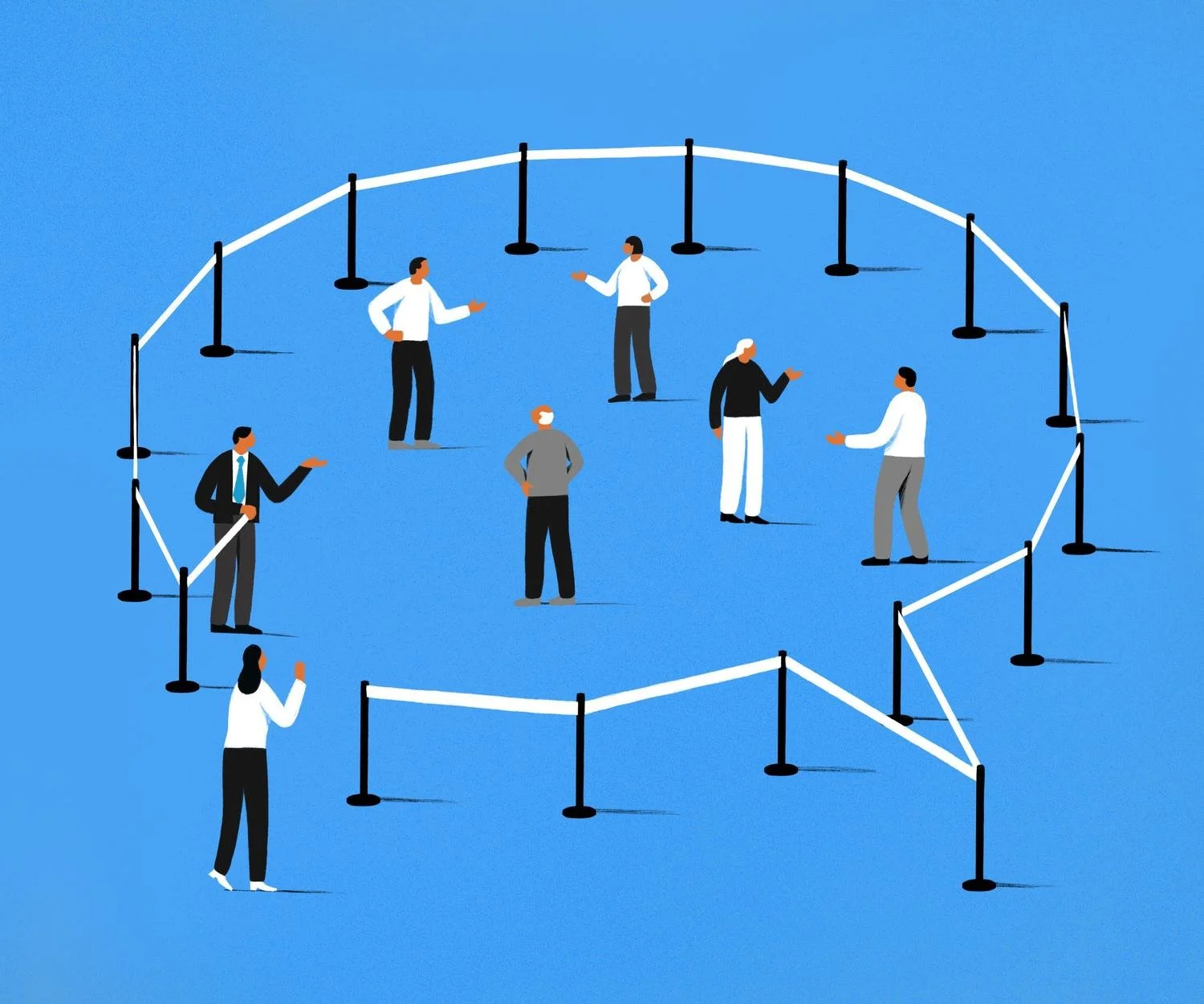


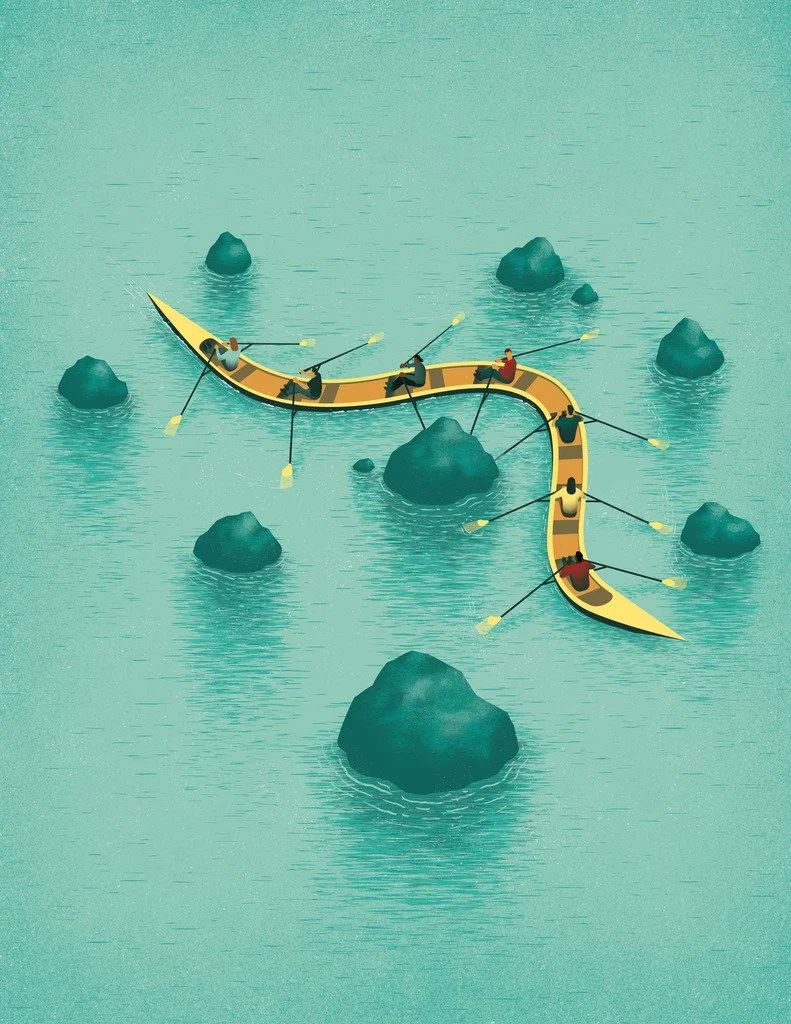
My consulting practice is grounded in independent research on how relational systems hold and fail. What I've formalized as a framework for understanding rupture, repair, and care across physical, psychological, and institutional systems.
That research is published openly and presented across academic and policy conferences. My Substack applies the same framework to politics, culture, and organizational life in a more public register.
The work
behind the work.
RESEARCH & WRITING
It’s grounded in both practice and research.
A unified framework for coherence, consciousness, and care. The foundational statement of the relational ontology underlying all my applied work.
Biological cognition sustains general intelligence on approximately twenty watts while contemporary AI systems require orders of magnitude more energy to perform a narrower range of tasks, and the gap is widening rather than closing.
Cognition is constituted through coordinated regulation across the distributed body's subsystems, with the brain functioning as a manager of relations among autonomic, HPA, immune, interoceptive, and gut-brain systems.
Interpretation, translation, and the distribution of legibility: how relational grammar shapes who gets heard and who has to translate themselves to be understood.
A formal account of relation as the primary structure of existence. The philosophical scaffolding from which the Care Paradigm and applied frameworks derive.
Reading Antigone, Cassandra, and Persephone through the lens of rupture and repair — arguing that classical myth anticipated what feminist philosophy now makes explicit: communities are not defined by harmony, but by their capacity to repair after rupture.
Presentation using Pando — the 80,000-year-old aspen grove and largest organism on Earth — as a case study for the Law of Relation: what survival actually requires, and why strength and fragility so often share the same root system.
Applying the relational framework to constitutional theory and democratic legitimacy, extending Project Reconstitution into public law scholarship.
Relational Load Framework: a capacity-demand model for understanding how relational labor distributes across individuals and systems under pressure.
Relational buffering explains ecological persistence and collapse under compound stress.
GET IN TOUCH
Most engagements start
with a conversation.
If this is already happening inside your organization, we should talk. I offer a free 30-minute call to understand your situation. No pitch, just a chance to see if there's a fit.